Why Dashboard Warning Lights Matter
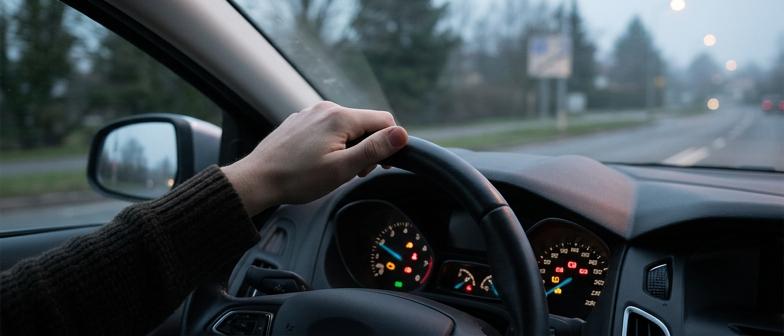
Modern cars use dashboard warning lights as an early alert system, turning complex mechanical or electronic issues into simple, easy‑to‑spot symbols. Understanding the basics of these alerts links what you see on the dash to what might be happening under the hood or in the safety systems. When you know the general vehicle warning sign meaning, you can judge more calmly whether something needs immediate attention or can wait for a planned workshop visit. A quick routine dashboard check each time you start the car helps you notice if a light stays on when it should have turned off, giving you a small but useful chance to respond before a minor problem becomes a bigger repair or a safety risk.
Clear awareness of what these lights are telling you also reduces stress while driving. Instead of guessing or ignoring a new symbol, you can connect each alert to its basic meaning and decide on a sensible next step, such as pulling over safely, driving gently to a service center, or arranging an inspection soon. Treating dashboard warning light basics as part of learning your car, just like reading the introductory sections of the owner’s manual, turns those small icons from confusing distractions into practical safety tools that support confident, responsible driving.
Color Codes and Icon Types on Your Dash
A good starting point for understanding dashboard warning light basics is to learn the color system your car uses. Most vehicles follow a traffic-style code: red, amber or yellow, and green or blue. Red lights usually signal an urgent problem or critical safety issue, such as low oil pressure or overheating, and often mean you should stop as soon as it is safe and seek help. Amber or yellow icons typically warn about systems that need attention soon, like tire pressure, stability control, or emissions, but may not require you to pull over immediately. Green and blue lights are generally informational and confirm that a feature, such as headlights or cruise control, is turned on, so they are part of a routine dashboard check rather than an emergency.
Alongside color, the type of icon helps you narrow down the vehicle warning sign meaning before you even consult the manual. Symbol groups often include engine and drivetrain shapes, battery and charging images, temperature and fluid icons, and brake or steering indicators. Others relate to driver-assistance and safety features, such as airbags or lane-keeping systems. Recognizing these broad categories gives you a quick first impression of what area of the car is involved and supports safer decisions while driving. For anything unfamiliar, building a habit of basic car manual reading is essential, because different makes may use slightly different designs for similar alerts, even when the overall color and icon family look familiar.
| Light color | Typical icon types | Urgency level | Suggested driver response |
|---|---|---|---|
| Red | Brakes, engine, temperature, steering | High | Pull over safely and contact assistance |
| Amber / Yellow | Tire pressure, stability control, emissions | Medium | Drive with care and schedule inspection |
| Green / Blue | Headlights, cruise control, active features | Low | Confirm status during routine dash check |
| Any color, unclear icon | Unfamiliar or new symbol | Uncertain | Check owner’s manual before continuing long trips |
| Recurring amber or mixed lights | Engine, safety aids, fluid icons | Rising | Plan workshop visit and monitor driving feel |
Red, Amber, and Green Lights at a Glance
On modern dashboards, light color gives an instant sense of vehicle warning sign meaning before you study the symbol. Red lights usually point to a safety risk or serious mechanical issue, such as brake or engine problems, and call for a calm but immediate response, often stopping in a safe place and checking the manual or calling a professional. Amber or yellow lights flag something that needs attention soon, like low fuel, tire pressure, or a system fault, so you can usually keep driving carefully while planning a prompt check. Green or blue lights are mainly status indicators, showing a feature is active. During a routine dashboard check, notice the color first, then confirm the symbol and follow the manual’s guidance.
Common Car Alert Symbols and What They Mean
Understanding the basics of dashboard warning lights starts with recognizing the most common symbols and knowing which ones mean you should stop driving. Many vehicles use standard icons, but designs can vary by brand, so the symbol on your dash might not look exactly like one you see in a chart online. Treat any new or unusual light as a prompt to check your manual and refresh your knowledge of how your car communicates problems. Thinking of these icons as a simple safety language is a practical way to approach dashboard warning light basics and grasp the meaning behind each vehicle warning sign.
Among the most important common car alert symbols are those tied to the engine, brakes, temperature, oil pressure, and charging system. A solid check engine light usually means the car’s computer has detected a fault in the emissions or engine management system, while a flashing one can indicate a more urgent misfire that may damage components if ignored. A red brake warning can signal low brake fluid, an engaged parking brake, or an issue with the braking system itself. A temperature warning often shows a thermometer or waves and points to overheating, an oil can symbol highlights low oil pressure, and a battery icon can indicate that the alternator or charging system is not keeping the battery supplied.
Because different models may use slightly different graphics or colors, your understanding of these indicators should always be backed up by a quick look at the owner’s handbook for your particular car. The guide will explain whether a light is meant as a gentle reminder or a strong warning that calls for immediate action. Getting comfortable with these explanations turns a confusing cluster of lights into clear messages you can act on calmly and helps you make sense of any routine dashboard check.
Engine, Brake, and Temperature Alerts
Some of the most important dashboard warning lights are those for the engine, brakes, and engine temperature, because they signal core safety and reliability issues. The check engine icon, one of the most common car alert symbols, shows that the vehicle’s computer has found a problem in the fuel, ignition, or emissions system. Engine light awareness means staying calm, noting whether the car drives normally, and booking a diagnostic check soon instead of waiting for clear performance problems.
Brake and temperature alerts also demand quick attention because they affect stopping power and the risk of overheating. A red brake symbol may mean the parking brake is on, brake fluid is low, or there is a possible system fault, so stop in a safe place and consult your manual. A high temperature or coolant warning light suggests the engine is running too hot; easing off the throttle, watching the gauge, and pulling over if the light stays on can help prevent serious damage.
Engine Light Awareness and Safe Driving Responses
Among all the icons in basic dashboard warning light systems, the check engine light is one of the most important to understand. It is central to dashboard warning light basics because it can signal anything from a loose fuel cap to a more serious engine or emissions issue. Staying aware of how and when this light comes on helps you notice changes in your vehicle’s behaviour early, before a small problem becomes costly or leaves you stranded.
Good engine light awareness starts with calm observation and a quick mental checklist. Note whether the light is steady or flashing, and watch for new sounds, vibrations, loss of power, or unusual smells. Glance at other gauges and alert symbols to see if temperature, oil pressure, or battery indicators also show a problem. This simple routine helps you judge whether it is probably safe to keep driving for a short distance or whether you should look for a safe place to stop right away.
Safe response driving habits focus on control instead of panic. If the check engine light comes on steadily but the car seems normal, reduce speed slightly, avoid heavy acceleration, and arrange for a prompt inspection. If the light flashes or the car runs roughly, slow down smoothly, signal early, and move to a safe location to park and switch off the engine. Once stopped in a secure place, consult your owner’s manual or contact a qualified professional so the issue can be handled safely.
Q&A
-
Why is it important to understand basic dashboard warning lights?
They translate complex mechanical or electronic issues into simple symbols, helping you judge how urgent a problem is and whether you should stop, drive carefully, or just plan a workshop visit. -
How do color codes on the dashboard help me react safely?
Red usually means stop as soon as it is safe, amber or yellow means you need attention soon, and green or blue normally just confirms a system is switched on. -
What do some of the most common car alert symbols refer to?
They often relate to core systems such as the engine, brakes, temperature, battery, airbags, and tire pressure, each pointing to a specific area that may need checking. -
What should I do when the check engine light turns on?
Stay calm, notice any changes in how the car drives, tighten the fuel cap if it might be loose, and book a diagnostic check soon with a qualified technician. -
How can I build safe response habits using my car’s manual?
Use the manual to learn what each symbol means, then make a quick dashboard check part of your start‑up routine so you spot new or persistent warnings early.