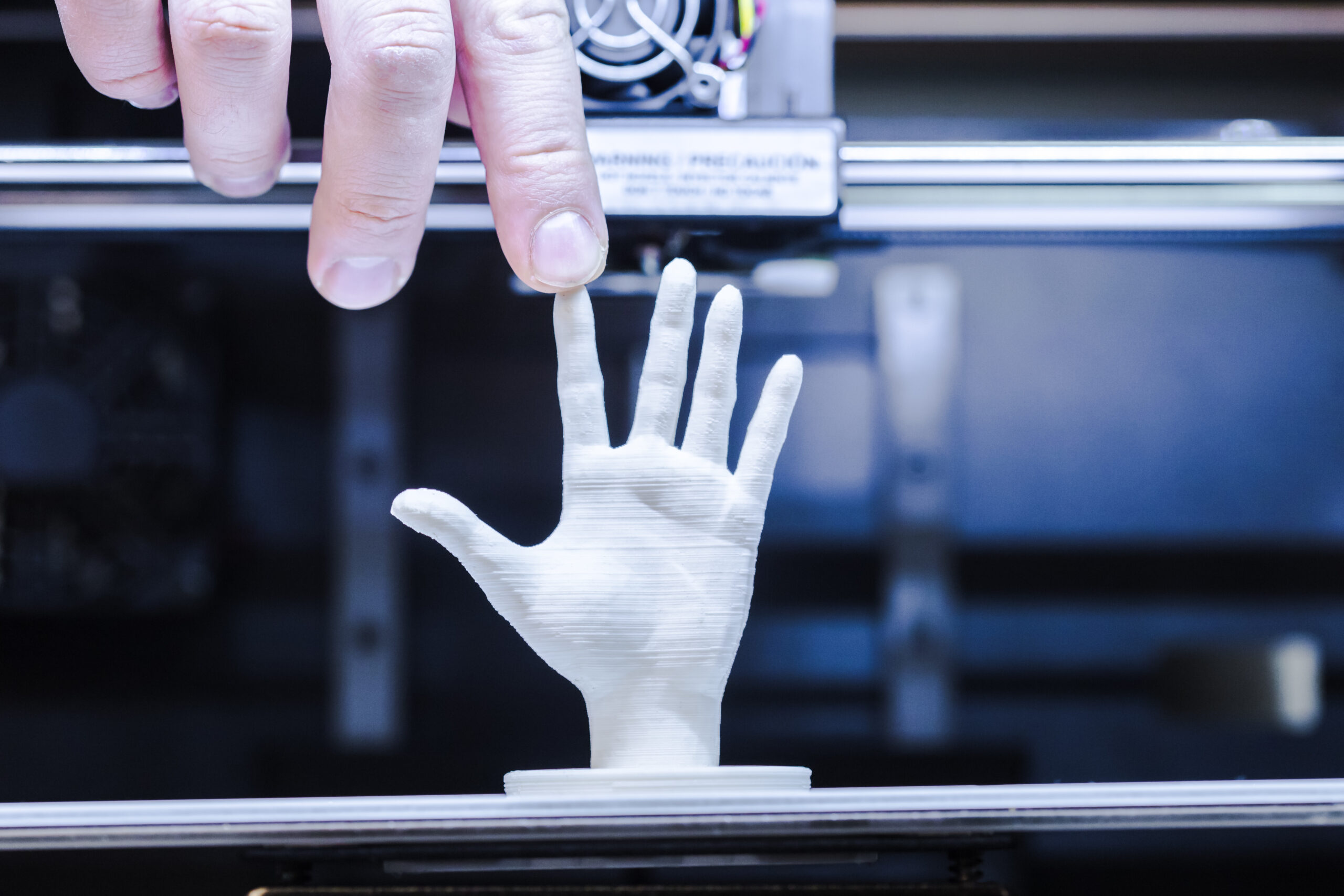
Unraveling the 3D Printing Phenomenon
3D printing has leaped from merely creating basic prototypes to revolutionizing entire industries with its advanced capabilities. This technology’s potential lies in its fundamental principle: additive manufacturing, where materials are added layer by layer to create objects from a digital blueprint, significantly differing from traditional, subtractive manufacturing methods.
Transforming from Prototypes to Everyday Products
Initially popular for prototyping, 3D printing is now critical in producing usable, durable final products. Various industries, from automotive to consumer electronics, integrate 3D-printed parts into their products. This transition has been fueled by advancements in materials. Today, it’s not just about simple plastics; we have seen significant growth in the variety of materials available, such as advanced resins, robust metals, and specialized polymers.
Organizations can fabricate parts that are strong, lightweight, and tailored to specific applications, marking a shift from traditional manufacturing processes. The ability to produce on-demand and customized parts has made 3D printing an essential tool, moving beyond the realm of prototype modeling into mainstream industrial use. This trend exemplifies the integration of technology with manufacturing to create more efficient and sustainable production methods.
Building a Better World: The Impact on Construction
The construction sector is using 3D printing to rethink how we build structures. With large-scale printers capable of creating building components, this innovation is not only changing construction techniques but also enhancing architectural possibilities.
From Concrete Ideas to Concrete Creations
Imagine using 3D printing to construct building elements on-site, dramatically lowering costs and reducing construction time. This method appeals greatly to companies aiming to maintain a competitive edge while promoting eco-friendly practices. By using only the required material, 3D printing minimizes waste and energy consumption—two significant factors that contribute to the construction industry’s environmental footprint.
This technological shift allows for unprecedented architectural creativity, enabling the production of complex shapes and curves that standard methods struggle with. 3D-printed construction also provides viable solutions for affordable housing and temporary shelters, meeting the growing demand for sustainable living spaces. Integration with sustainable practices and materials forges a path toward greener urban development.
Healing with Precision: The Medical Revolution
Medical applications of 3D printing illustrate its potential to revolutionize healthcare, providing personalized solutions that enhance patient outcomes.
Personalized Medicine and Innovative Materials
Healthcare professionals can now develop patient-specific anatomical models and devices using 3D printing. These are crucial for surgical planning and training, offering realistic simulations of surgeries with enhanced precision and security. The move towards using sophisticated, biocompatible materials ensures that 3D-printed medical implants and prosthetics are not only custom-fitted but also safe for long-term use.
Furthermore, the development of dental implants and custom orthotics has transformed patient care, offering tailored solutions that improve comfort and effectiveness. Progress in bioprinting—using cells to produce functional tissues—hints at a future where organ fabrication could become routine. This personalized approach exemplifies the power of 3D printing to drive medical advancements and patient care improvements.
Designing Tomorrow: Material and Market Innovations
The evolution of materials used in 3D printing is at the heart of its expansion into diverse fields.
Expanding Material Boundaries
The ever-growing range of materials has enabled applications across fashion, industrial manufacturing, and other sectors. Designers can choose from flexible filaments for fashion pieces or resilient metal alloys for industrial parts. These innovations highlight the versatility and adaptability of 3D printing technologies, driving new product development and enhancing existing processes.
Sustainability also plays a critical role in materials innovation. Many developers focus on creating biodegradable or recyclable materials, facilitating eco-friendly production options. These advancements align with global efforts to reduce environmental impact through more sustainable methods. The breadth of materials available continues to fuel 3D printing’s growing influence across industries, encouraging innovation in design and manufacturing.
3D printing stands at the forefront of technological advancement, promising continued evolution in the way we manufacture and interact with products. Its capacity to influence diverse sectors highlights its role as a transformative force that is here to stay, continually pushing the boundaries of what’s possible.
Question and Answer
-
What is additive manufacturing, and how does it differ from traditional manufacturing?
Additive manufacturing, often known as 3D printing, is a process that builds objects layer by layer from digital designs. Unlike traditional subtractive manufacturing, which involves cutting away excess material from a larger block, additive manufacturing adds material precisely where needed. This method allows for more complex designs, reduces waste, and enables customization, making it a transformative technology in industries like automotive, aerospace, and healthcare.
-
How is rapid prototyping influencing product development in various industries?
Rapid prototyping, a key advantage of 3D printing, accelerates product development by allowing designers and engineers to quickly create and test models before mass production. This capability reduces the time and cost of developing new products, as changes can be made easily to digital models. Industries such as consumer electronics, automotive, and healthcare benefit from this by being able to iterate designs swiftly, thus bringing innovative products to market faster.
-
In what ways is customized production transforming consumer markets?
Customized production through 3D printing allows businesses to offer personalized products tailored to individual consumer preferences. This shift is particularly evident in sectors like fashion, where customers can order garments tailored to their exact measurements, and in consumer electronics, where bespoke components can be designed to fit specific needs. This ability to produce unique items on demand not only enhances customer satisfaction but also reduces inventory and waste.
-
What are the latest innovations in materials used for additive manufacturing?
The field of materials innovation for 3D printing is rapidly expanding, with developments in high-strength resins, heat-resistant polymers, and a variety of metals. Researchers are also focusing on eco-friendly materials, such as bio-based and recycled polymers, to promote sustainability. These advances enable the creation of objects with unique properties, such as lightweight yet strong components for aerospace or biocompatible implants for medical applications.
-
How are medical implants benefiting from advances in 3D printing technology?
3D printing is revolutionizing the field of medical implants by allowing for the creation of custom-fit devices tailored to a patient’s unique anatomy. This personalization improves the fit, function, and comfort of implants, leading to better patient outcomes. Additionally, the use of biocompatible materials ensures that these implants are safe for use in the human body. Innovations in this area are paving the way for advancements such as printed prosthetics and even the potential for bioprinted organs.