Why Track Household Bills in the First Place
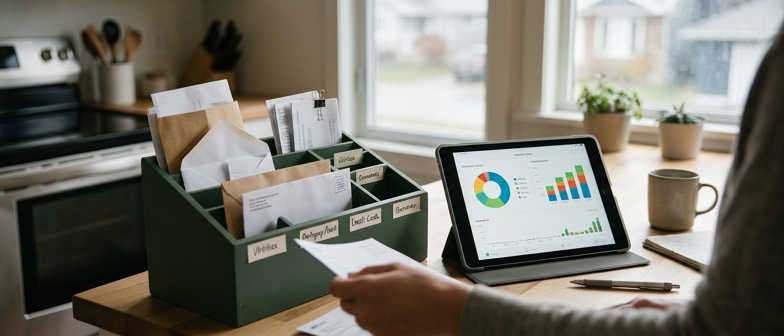
A structured Household Bill Tracking System turns scattered due dates, emails, and paper statements into a clear view of what it costs to run your home. Without basic tracking, it is easy to lose sight of how much leaves your account each month for housing, utilities, insurance, subscriptions, and other regular services. Many households pay late fees or feel caught off guard when several bills arrive at once, not because the costs are unusual, but because there is no single place where obligations are listed and reviewed. Tracking brings these commitments into one view so you can see patterns, plan ahead, and reduce the stress of unexpected withdrawals.
Good bill tracking also supports broader family expense planning and better utility cost organization. When everyone who shares expenses can see what is due and when, money conversations become more practical, because you are working from the same information. You can compare seasons, notice which services are getting more expensive, and decide together where to adjust usage or negotiate a better deal. Over time, keeping organized records of electricity, water, internet, and other charges gives you a realistic baseline for your household budget and helps you decide how much income must stay available for essentials before you commit to new spending.
Core Components of a Household Bill Tracking System
A practical Household Bill Tracking System starts with one central place where information lives. This can be a notebook, a spreadsheet, or a basic app, as long as you record who you pay, how much is due, and when it needs to be paid. Each entry should show the provider name, the usual amount, the due date, and how you pay it, such as direct debit, online banking, or card. Keeping these details together turns scattered receipts and emails into a clear picture of your regular financial commitments.
The second core element is a digital payment checklist linked to a monthly calendar. Instead of relying on memory, you create a recurring list that mirrors your bills like rent or mortgage, utilities, insurance, and subscriptions. As each payment is made, you tick it off and note the actual amount and date. When the checklist sits beside a simple calendar view, you can quickly see which bills are coming up and which ones are already covered, keeping your utility costs organized and reducing last‑minute stress.
Finally, a strong system makes space for Family Expense Planning so bills are not tracked in isolation. Basic records should show who in the household is responsible for each payment, how shared expenses are split, and which costs are essential. Reviewing these records regularly lets you compare current amounts with previous ones, spot rising utility charges, and talk calmly about budget changes. Over time, this routine supports better decisions about saving, spending, and planning ahead.
| Component | Main Purpose | How It Reduces Missed or Late Payments | Best Fit Household Type |
|---|---|---|---|
| Central bill log | Collects all providers and due dates | Makes obligations visible in one place | Households starting basic tracking |
| Digital payment checklist | Lists recurring bills to tick off | Encourages timely action and follow‑through | Busy households with many services |
| Monthly calendar view | Aligns due dates with cash flow | Highlights tight weeks in advance | Homes with variable pay schedules |
| Family responsibility map | Shows who pays which bill | Reduces confusion and duplicated effort | Shared households and families |
| Simple review notes | Captures changes in amounts and dates | Spots rising costs before they disrupt plans | Anyone updating a long‑term plan |
Building a Simple Budget Reminder Setup
A practical reminder setup starts with the information already stored in your Household Bill Tracking System and turns it into prompts you can act on. Create a monthly payment calendar that lists each bill’s due date, typical amount, and payment method so you can see upcoming obligations at a glance instead of relying on memory.
Connect this calendar with a digital payment checklist in the tools you already use, such as your phone calendar, email alerts, or a simple budgeting app. Set notifications a few days before each due date and on the day itself, use short titles that mention the bill type and amount, and review the list weekly so reminders stay helpful for everyday family budgeting.
Designing a Practical Monthly Payment Calendar
A practical Monthly Payment Calendar starts with a clear overview of your cash flow so that your Household Bill Tracking System reflects real income patterns. List when money comes in, such as paydays or regular benefits, and when major household bills are due, including rent or mortgage payments, loan installments, insurance premiums, and fixed subscriptions. This simple map of pay dates versus due dates shows where pressure points may appear during the month and supports realistic family expense planning that matches how your household actually receives and spends money.
Once income and key dates are laid out, group bills into fixed and variable categories so the calendar supports everyday decisions. Fixed expenses, like housing and standard insurance, stay roughly the same each month, so you can assign them to specific pay periods with confidence. Variable costs, such as groceries, fuel, or flexible entertainment, can be penciled in as estimates, leaving room to adjust as prices or needs change. By visually separating predictable obligations from more flexible items, the calendar helps you decide which bills to cover first and which areas can absorb small savings when necessary.
To keep the Monthly Payment Calendar useful over time, link it to the wider Household Bill Tracking System you use, whether a digital tool or a simple notebook. Check off bills as they are paid and update any changes in amounts or due dates so the calendar stays accurate. Families can review this layout together at the start of each period, using it as a neutral guide for expense discussions and shared decisions, creating a practical bridge between long‑term family expense planning and daily choices.
Organizing Utilities and Other Recurring Bills
A practical Household Bill Tracking System starts by grouping utilities and other recurring charges so they are easy to scan on your Monthly Payment Calendar. Instead of listing every bill in random order, cluster similar expenses together, such as electricity, gas, water, internet, mobile plans, rent or mortgage, and regular subscriptions. When these fixed and semi-fixed costs are organized by type and due date in one place, you can quickly see which weeks are heavier, which services renew together, and where there may be room to shift payments, if your providers allow it, keeping your Utility Cost Organization clear and manageable.
Reviewing Recurring Expenses and Adjusting the Plan
A structured recurring expense review keeps your Household Bill Tracking System accurate and useful. Once bills, subscriptions, and contracts are logged, choose a regular date to look at everything that repeats each month, quarter, or year. Start with obvious items such as streaming services, mobile plans, insurance, and memberships, then check quieter automated charges that may renew annually. Use your monthly payment calendar and digital reminders to see which costs are about to renew or rise, and decide whether each one still fits your current needs and priorities. This habit helps you spot overlaps, unused services, and rising fees so you are not paying for things that no longer matter to your household.
During each review, focus on utility cost organization and how electricity, gas, water, and internet affect broader family expense planning. Compare current bills with recent months to find patterns, seasonal spikes, or sudden jumps that might need a follow‑up call or meter check. If income, household size, or living arrangements change, update your plan inside the tracking system by adjusting due dates, typical amounts, and limits that drive simple budget reminders. You can add alerts for high‑usage periods, cut rarely used services, or look for lower‑cost options from existing providers. Reassessing and then updating everything in one place keeps your system realistic and aligned with your current financial goals.
Q&A
-
What is a basic household bill tracking system and why does it matter?
It is a single place where you list every regular bill, its due date, usual amount, and payment method. Having this overview reduces missed payments, late fees, and surprise withdrawals. -
How can I design a simple monthly payment calendar from my bills?
Write each bill on the date it is due, add the typical amount, and note how it will be paid. Then add your income dates so you can see which weeks are tight and adjust timing where possible. -
What is a straightforward way to set up budget reminders?
Take the due dates from your bill list and add phone, email, or calendar alerts a few days before each payment. Keep reminders short and specific so you can act quickly. -
How should I organize utilities and other recurring household costs?
Group similar services, such as energy, water, internet, and subscriptions, and sort them by due date. This makes it easier to compare totals and notice when several charges fall in the same week. -
How often should I review recurring expenses for my family budget?
Checking them at least every three to six months is helpful. Look for price increases, duplicated services, or plans you no longer use, and update or cancel them as needed.